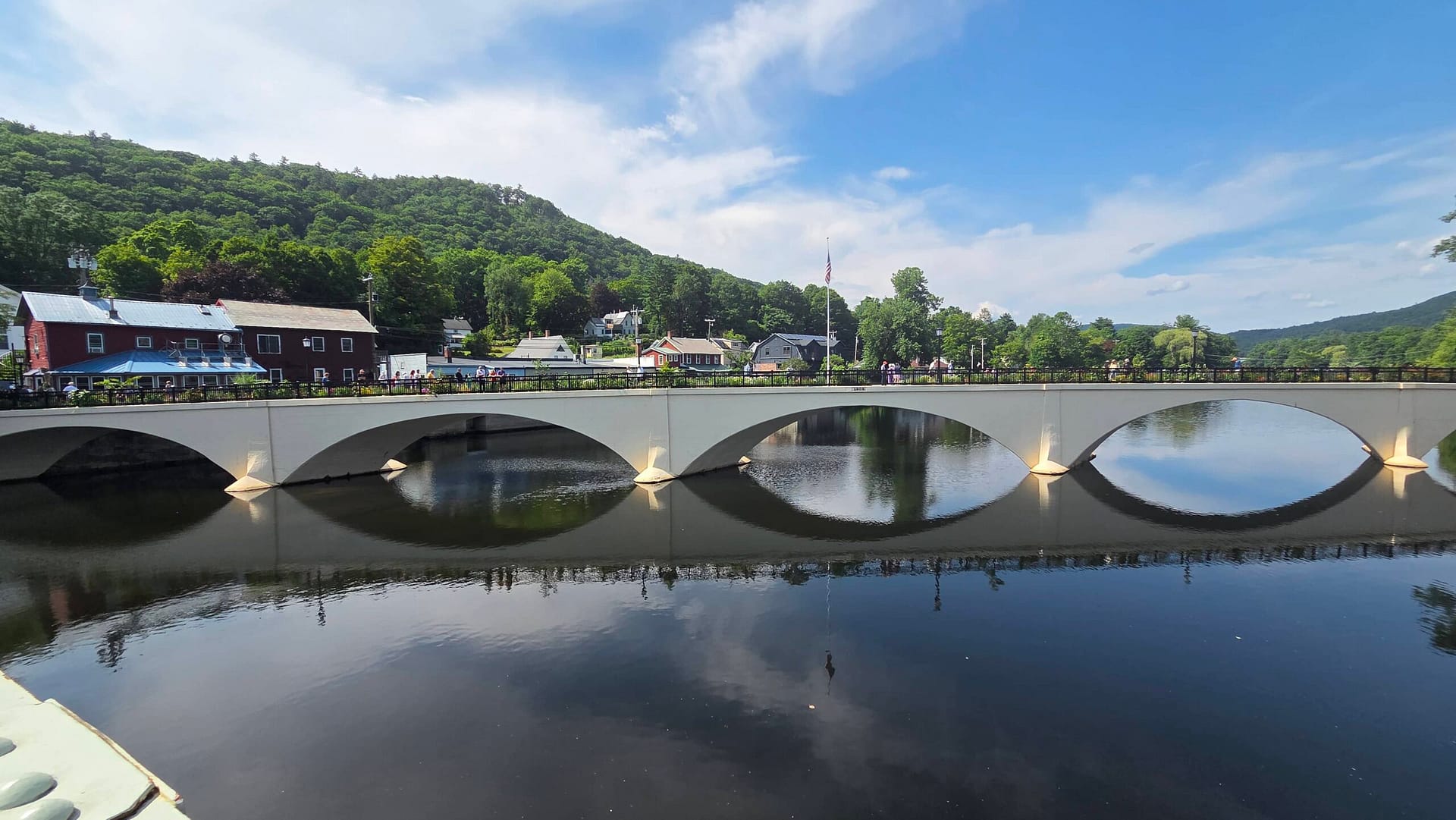
As we have traveled throughout the Eastern US this summer, it has been fascinating to see the stark differences in many parts of the country. We have been spoiled, culturally, in the Washington DC area over the past 30 years. Sure, Loudoun County (Virginia), or at least the western half, has been less culturally diverse. Yet, so many of the areas from Eastern Loudoun on to the District of Columbia are highly diverse.
In Annandale (Fairfax County, VA), where we lived for about a year prior to leaving, we were very much the minority. The town makeup was distinctly Southeast and East Asian with so many residents and business owners from Vietnam, Korea, China, and more.
Our son, at Thomas Jefferson High School, with a class of about 500, was surrounded every day by classmates with families originating from India, China, Vietnam, Korea, and so many more. In fact, when he started there, his principal started a meeting with parents by saying “hello” in over 60 languages – representing each of the languages spoken at home by students at the school.
Which brings us to our travels since leaving Virginia in June.
- Abingdon, Virginia – Heavily White
- Montgomery, Alabama – Heavily Black
- St. Marks, Florida – Heavily White
- Port St. Lucie, Florida – Mix of Black/White, Some Other
- Jacksonville, Florida – Mix of Black/White, Some Other
- Newland, North Carolina – Heavily White
- Romney, West Virginia – Heavily White
- Scranton, Pennsylvania – Mostly White, Moderate Mix
- Ashfield, Massachusetts – Heavily White
- Mt. Desert Island (Bar Harbor), Maine – Heavily White
The closer you get to larger cities, the more racially and culturally mixed the population seems to be. It is a fresh reminder why the messaging to fear others who do not look like you can stick with portions of the US populations and be used over generations in US politics. If you are not living or vacationing in places that have diverse citizens, you don’t get to interact and quickly learn they are just like you and there is nothing to fear.
Scranton, Anthracite, and Immigration
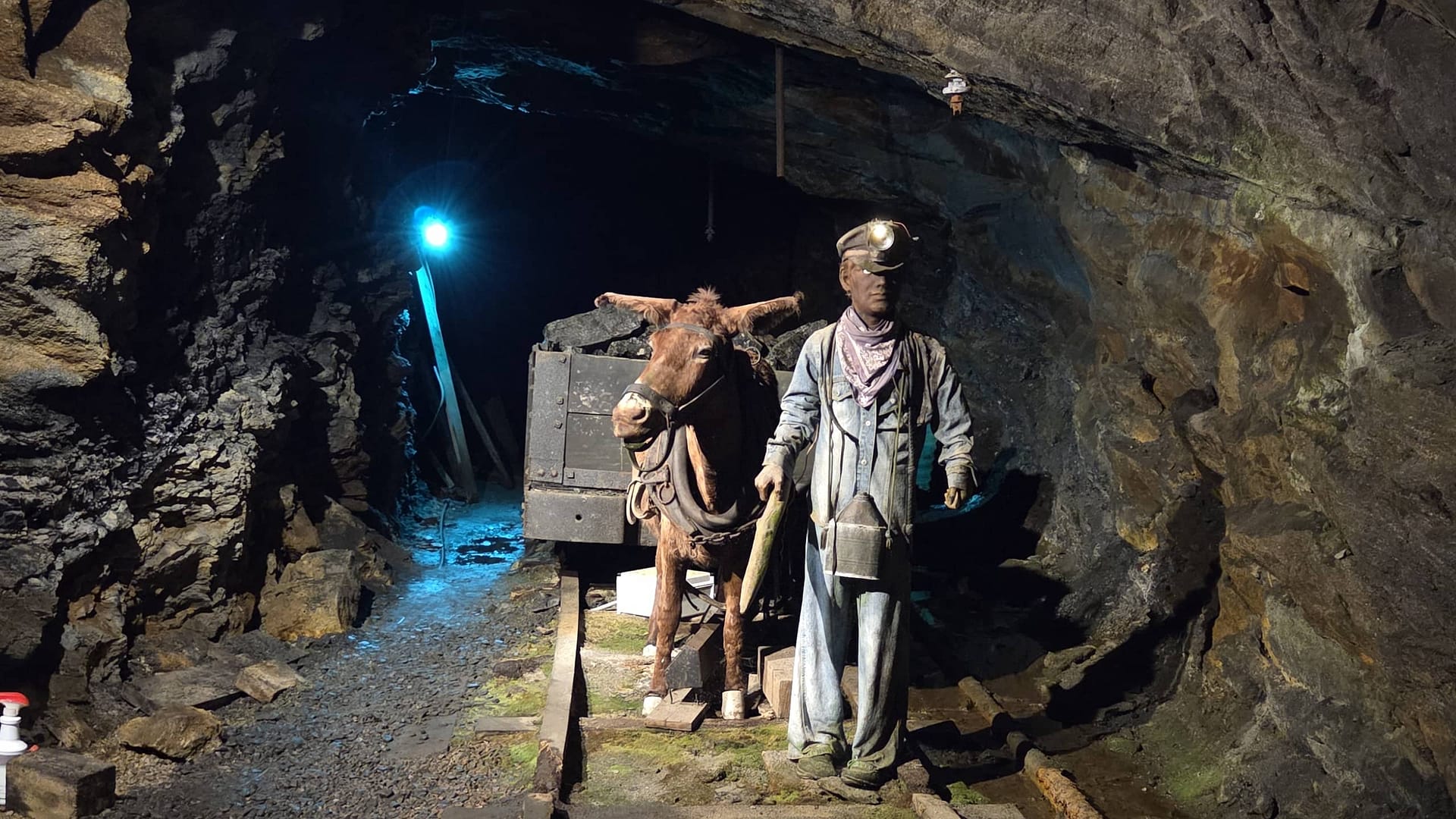
Then there is Scranton, Pennsylvania, and a rich, blue collar, history in Anthracite (a.k.a. coal) and a visit to the Anthracite Heritage Museum. Don’t get me wrong, I believe coal as a fuel source should die a quick death. However, the museum does an amazing job highlighting the rise and fall of the industry in the United States. Most importantly it highlights the pride of coal mining families and communities that persists to this day. Yet, it also highlights the pride and strong culture that came directly from waves of immigrants.
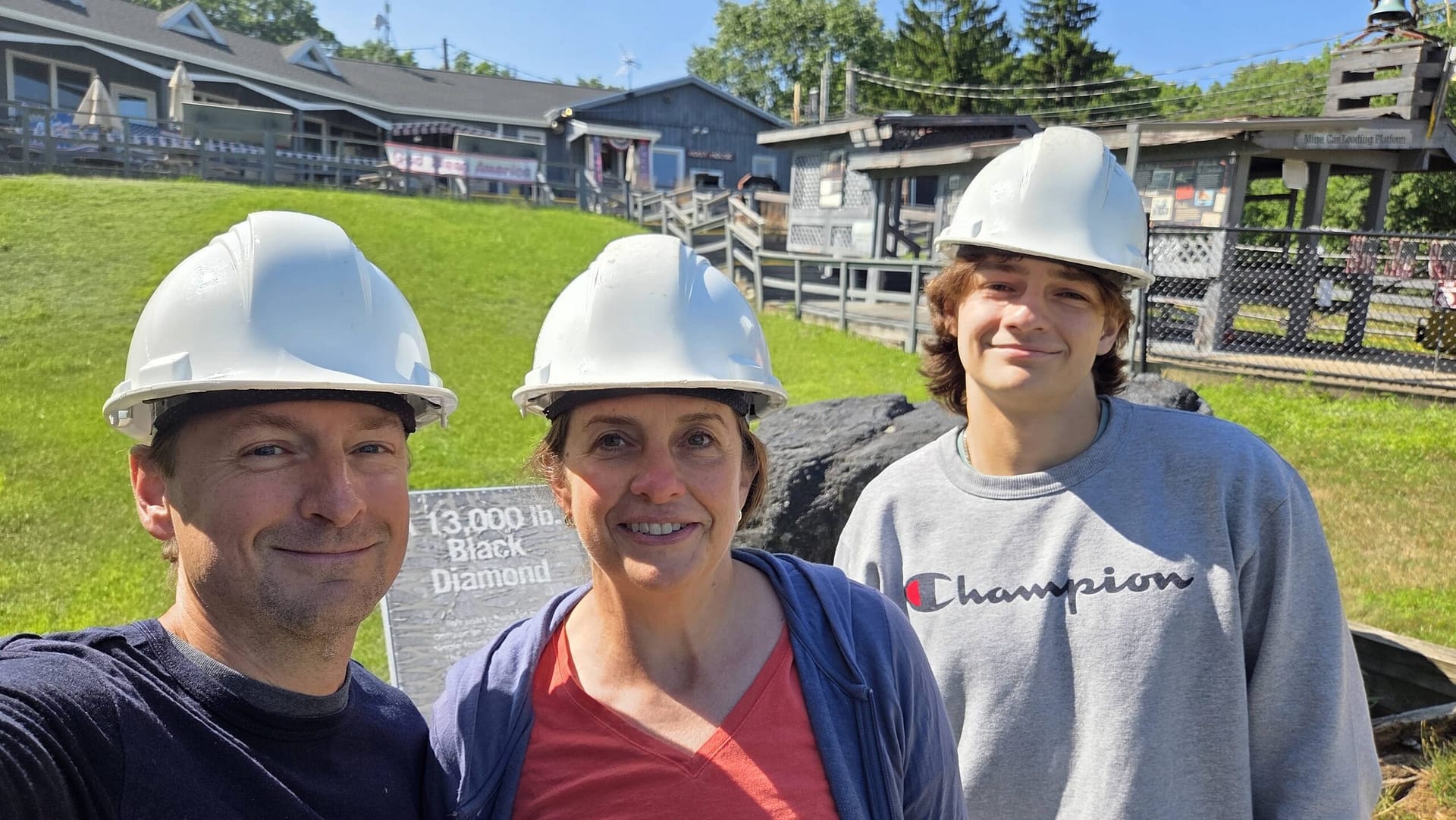
These immigrants came from Asia, Africa, Latin America, and yes, Europe, seeking a better life. They brought with them limited or no experience mining, yet suffered and toiled to became the backbone of the United States. They brought with them many different languages, customs, religious practices, and ideas. All of which swirled together in the mixing pot of Scranton.
With coal at its core, the city, and its mix of residents, built a wide variety of supporting businesses, houses of worship, and cultural groups that created the fabric of the city it is now. Indeed, just looking at restaurants, one finds Italian, Chines, Thai, Mexican, French and Indian. Block by block, as you pass through different neighborhoods of Scranton you can see and feel the wide variety of influences and the richness that results.
Where is America Headed?
Scranton is a microcosm for so many cities across America. The country needed labor to build industries, grow, and ultimately become the global powerhouse it is today. This labor could not come fast enough simply from natural births from those already living here. The country craved labor at a pace that could only be imported by way of immigration. What resulted was more business, more taxes to support infrastructure and a social safety net, and more ideas that powered us to a leadership position on the global stage.
It has been extremely frustrating to have politicians, and now a government, pushing anti-immigrant messaging, going to great lengths to generate controversy where there should be none. True, U.S. politicians are not alone. Weak politicians around the world, lacking any real policy ideas instead seek to blame outsiders.
Sure, we could use a better immigration policy – one that provides a real pathway to citizenship, in a reasonable time, and has resources to help immigrants integrate into our society. We also desperately need support and education options for those working in industries that are fading out. However, it seems large parts of our country have forgotten, or never learned, the critical role of immigrants in our nations history. And weak politicians seek to exploit this as low hanging fruit to gain office.
We need more immigrants, not fewer. Our economy, for better or worse, needs growth. More people bring more job opportunities, not less. They bring more tax revenue to support more infrastructure and fund Social Security. Immigrants bring the workers we so desperately need for construction to make up for a housing shortfall and to work in healthcare supporting an aging population. And they bring new ideas, new ways of thinking, and a diversity that leads to more opportunity for everyone.
I can only hope that our political candidates, and ultimately our government, can figure out a way to stop using fear and division as a means to become elected, instead celebrating what has made the country as strong as it once was.